
A rent concession in Charlotte commercial real estate is anything a landlord gives up to sign or keep a tenant: free rent months, a tenant improvement allowance, stepped-down rent, or flexible lease rights. How much you can get depends on the property type, the building, the submarket and how long the space has sat empty. This guide covers the concessions that show up in Charlotte office, medical, retail and industrial deals, what moves the numbers, and how to get them in writing.
One note on scope. If you searched for help paying a residential rent bill, this is not that page. This article is for business tenants, practice owners and landlords negotiating a commercial lease.
TL;DR
- Concessions in Charlotte vary by sector: office landlords lean on them most, retail pricing is firmer, and industrial depends on building size and age.
- The most common packages combine free rent (abatement) with a tenant improvement allowance (TIA), and the two trade against each other and against the base rent.
- Lease length, tenant credit, build-out scope and how fast you can occupy decide how much you receive.
- Landlords must check their own loan documents before granting large concessions, so ask early whether lender consent is needed.
- Get every concession written into the lease with start dates, caps, and what happens if you default or leave early.
Table of Contents
- What a rent concession is and why landlords offer one
- How concessions differ by property type in Charlotte
- The common types of concessions in Charlotte commercial leases
- What decides how much you get
- How to negotiate concessions
- Tax and accounting basics
- Our perspective
- Get help with your Charlotte lease
- FAQ
- Sources
What a rent concession is and why landlords offer one
Landlords offer concessions to attract tenants in competitive markets, fill vacancies faster and keep tenants they already have, according to a commercial lending research note. A concession is the landlord’s way to protect the headline rent. A building that advertises a strong asking rent can still give a tenant a lower effective rent through free months and allowances, without cutting the number that appraisers and lenders see.
That is why the face rate in a listing tells you little. Effective rent, meaning what you pay after concessions across the whole term, is the figure to compare between buildings.
How concessions differ by property type in Charlotte
The National Association of REALTORS’ Commercial Real Estate Insights Report describes a split nationally: office rent growth was restrained by ongoing concessions, retail pricing was comparatively strong, and industrial conditions were cooling under excess supply. Charlotte is its own market, but the pattern is a useful starting frame for your negotiating posture.
Office
Office is where concession packages are the largest and most negotiated. Newer, amenity-rich Class A buildings in Uptown and South End compete with each other, and older Class B and C buildings compete on price and flexibility. In tight pockets, landlords may thin out concessions while holding rent. In buildings with large blocks of vacancy, expect free rent and a generous TIA to be on the table from the first proposal. For a broader view of leasing and sales trends, see our Charlotte office market analysis.
Medical office
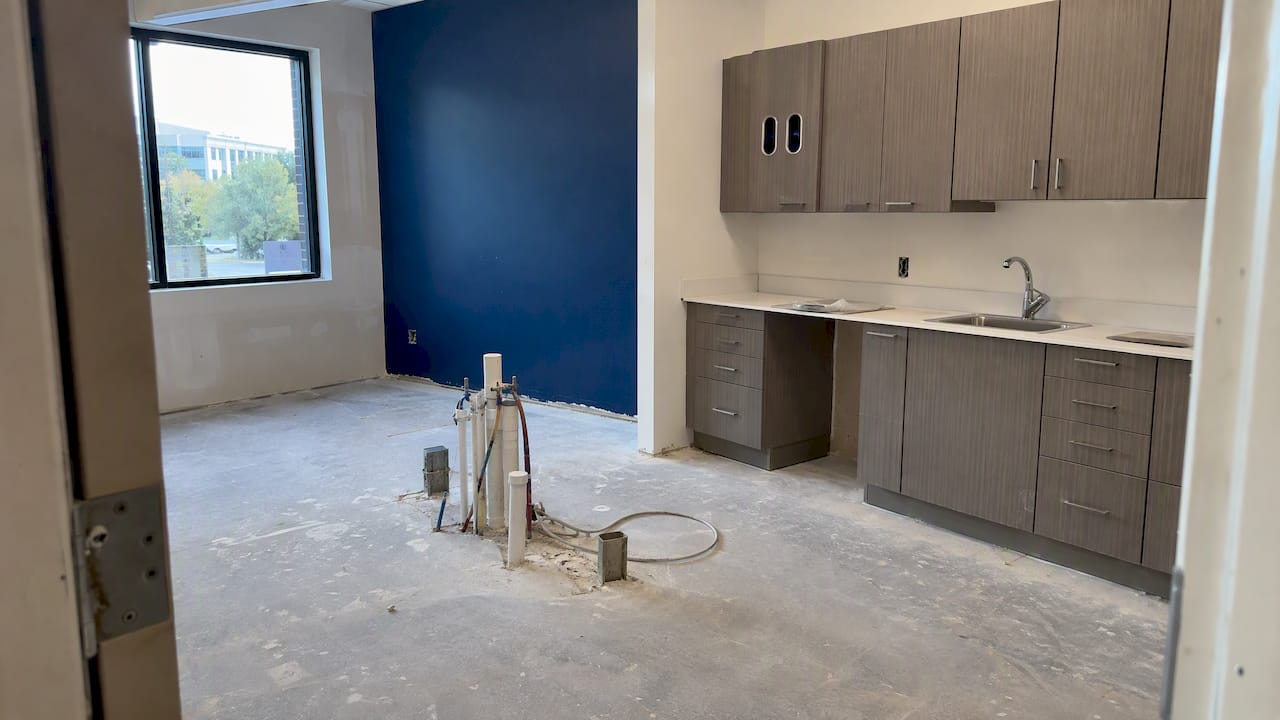
Medical and dental tenants build out plumbing, imaging rooms, sterilization areas and casework, so the build-out gap is often the main fight. A dentist or orthodontist signing a first lease usually cares more about a larger TIA and a longer free-rent period during construction than about a lower base rate. Landlords value medical tenants for their long stay and sticky patient base, which is real leverage on lease terms when you sign a longer term. Our guide to rent abatement for medical tenants explains how those free months are structured.
Retail
Retail pricing is firmer in well-located centers, so landlords give less on rate. What a retail tenant can often win instead is a rent-free fixturing period, a TIA or landlord work for the shell, co-tenancy protections, and signage rights. If you are still choosing a location, our retail site selection playbook covers how to compare centers before you negotiate.
Industrial
Industrial concessions depend heavily on building size, age and submarket. Large, newer bulk space with long vacancy gives tenants more room to negotiate than small-bay flex space where demand stays strong. Because industrial deals often run on triple net terms, the structure of operating cost pass-throughs matters as much as free rent. Read our breakdown of industrial lease types before you compare offers.
| Property type | Concessions most often negotiated | Where the leverage usually sits |
|---|---|---|
| Office | Free rent, TIA, stepped rent, early termination right | Large vacancy blocks, longer terms, strong credit |
| Medical | Larger TIA, free rent during build-out, renewal options | Long term commitment, specialized buildout |
| Retail | Fixturing period, landlord work, co-tenancy, signage | Anchor-adjacent or second-generation space |
| Industrial | Free rent, reduced escalations, expense caps, landlord work | Larger, older or newer-but-vacant boxes |
The common types of concessions in Charlotte commercial leases
Free rent (abatement)
Free rent is the base rent waived for a set number of months, usually at the start of the lease. Check whether you still owe operating expenses, taxes, insurance and utilities during the abated months. In many leases you do. A lease that says “base rent abated” and one that says “all rent abated” are very different deals.
Tenant improvement allowance
A TIA is money the landlord contributes toward your build-out, paid per square foot. The risk is a gap between the allowance and the real cost of construction, which is where tenants get hurt. Our TIA playbook walks through how a $160,000 build-out gap happens and how to prevent it.
Stepped or reduced rent
Instead of free months, some landlords offer lower rent in years one and two, rising later. It helps cash flow for a new practice or store while the business ramps up.
Flexibility rights
These cost the landlord little today and are worth a lot to you later: an early termination option, renewal options at a defined rent, expansion rights, a right of first offer on neighboring space, and sublease or assignment flexibility.
Cost-side concessions
Caps on controllable operating expenses, a limit on annual escalations, free or reduced parking, and landlord-paid moving or signage costs all lower your real cost. Operating expenses deserve scrutiny because a CAM reconciliation review can reveal charges you should not be paying.
Insurance is part of the cost side too. Landlords commonly require specific coverage from tenants, and meeting those requirements costs money you should price before you sign. Insurance requirements for commercial real estate are worth reviewing at the same time as your concession ask.
What decides how much you get
The amount and terms generally depend on property demand and location, tenant qualifications, and the landlord’s cost analysis of the concession and other lease features. In practice, in Charlotte that comes down to five questions a landlord asks:
- How long has the space been vacant? Long vacancy lowers a landlord’s resistance.
- How strong is your credit? A guarantee or security deposit can support a bigger package. Our guide on the corporate guarantee lease shows how to cap that exposure.
- How long is the term? A longer commitment justifies more up-front money, because the landlord recovers it over more years.
- How much work does the space need? A second-generation suite costs less to convert than raw shell.
- How quickly can you sign and occupy? Speed has value to an owner carrying vacancy.
How to negotiate concessions
Start with effective rent
Ask each landlord for proposals on the same basis: term, free rent, TIA, escalations and operating expense structure. Then compare net effective rent. A cheaper face rate with no allowance can cost more over a term than a higher rate with strong concessions.
Trade, do not just ask
Landlords rarely give everything. Typical trades include a longer term for more TIA, a larger security deposit for more free rent, or giving up an early termination right in exchange for a lower rate. Decide which items matter most to your business before the first counter.
Ask about the landlord’s lender
Before a landlord grants significant concessions, legal advisors at McDonald Hopkins caution that the landlord should check loan documents, since concessions given without lender consent could trigger covenants or an event of default. As a tenant, you can ask whether the lender must approve your lease and request a non-disturbance agreement so your concessions survive a foreclosure. An estoppel certificate then confirms the lease terms and any outstanding concessions in writing.
Document everything
Put each concession in the lease itself, not in an email or a side letter. Spell out:
- The number of free months and the exact start date
- Whether operating expenses and utilities are abated
- The TIA amount per square foot, the draw schedule and the deadline to use it
- What happens to unamortized concessions if you default or terminate early
- Any repayment (clawback) terms
A lease review before signing, and a lease abstract afterward, keep these dates and amounts from being missed.
Tax and accounting basics
Concessions are treated differently on the books than on the cash side. A CPA firm notes that accounting and tax treatment of tenant inducements can differ, and can differ between tenant and landlord. Free rent is generally recognized over the lease term for accounting, while tax reporting generally follows the cash actually received or paid.
For tenants reporting under ASC 842, a CPA firm explains that the standard has no explicit guidance for allowances not paid at lease commencement and describes several accounting options. Because the answer can change your reported lease liability, bring your CPA into the deal before signing, not after.
Our perspective
Most of the concession problems we see are not about the headline number. They come from terms that were agreed verbally and never made it into the lease, or from an allowance that looked large until the construction bid came back. We tell tenants to price the build-out first, then negotiate the TIA against a real contractor number.
For landlords, our advice is the opposite of what feels natural: a concession is cheaper than long vacancy, but only when it buys a longer term and a tenant who stays. That is why we model concessions against retention, as we explain in our guide to NPV-based tenant retention. We would rather see a landlord give a medical tenant a stronger package for a ten-year commitment than discount rent for five years and start over.
And for both sides: read the lease with someone who has seen it fail. A medical office lease audit catches the clauses that quietly erase a concession.
— Jim
Get help with your Charlotte lease
If you are comparing proposals or renewing, our team handles tenant representation, lease review and landlord-side strategy across the Charlotte MSA for office, medical, retail and industrial space. Start from our services page and tell us what you are weighing. For a landlord-side view of office packages, see office lease concessions.
FAQ
Are rent concessions common in Charlotte commercial leases?
Yes, though how common and how large depends on the sector and building. National research points to office as the sector where concessions weigh most on rent growth, while retail pricing is firmer. Always ask for the package in writing for the specific space you are touring.
Is free rent better than a bigger TI allowance?
It depends on your cash flow and build-out. Free rent helps a business with tight early cash, while a TIA pays for construction you would otherwise fund yourself. Many tenants split the two, and landlords often treat them as interchangeable pieces of one budget.
Do I still pay operating expenses during free rent months?
Often, yes. Many leases abate only base rent, so taxes, insurance, CAM and utilities continue. Confirm the wording of the abatement clause before you sign.
Can a landlord take back a concession?
If the lease includes repayment terms, the landlord may recover unamortized free rent or allowances after a default or early termination. Negotiate a cap and a clear amortization schedule so the exposure shrinks each year.
Where do I find help paying rent if I am a residential renter?
This guide covers commercial leases only. For housing assistance, contact your county’s social services office or a legal aid organization.
Sources
- What are Rental Concessions? When Should You Offer One?
- Commercial Real Estate Insights Report, National Association of REALTORS
- Commercial landlord responses to rent concession requests, McDonald Hopkins
- Tenant Inducements for Real Estate, Smythe LLP
- Tenant Improvement Allowance Accounting: Lease Guide, GBQ