
Rent abatement is a temporary reduction or suspension of rent when a landlord fails to deliver a habitable unit or a contracted service, and both residential and commercial tenants can invoke it under the right conditions. Residential tenants typically draw this right from the implied warranty of habitability or state statute; commercial tenants rely on specific lease clauses or, in some jurisdictions, equitable relief from a court. The usual remedies range from a reduced monthly rent bill and lawful rent withholding to repair-and-deduct actions, administrative petitions, or a damages claim in small-claims court.
TL;DR:
- The strength and applicability of rent abatement depend heavily on whether the lease includes specific clauses or if state statutes support the claim for habitability or service failures.
- Valid abatement conditions must materially affect safety or usability, such as no heat in winter or sewage backups, and require proper written notice before enforcement.
- Courts generally assess abatement damages either through a fair rental value comparison or a proportional loss method, which influences the claimed reduction amount.
- Proper documentation, timely notice, and following local procedures are crucial in avoiding claim dismissal or legal backlash.
- Negotiating clear abatement language during lease drafting provides the highest protection, especially for commercial and medical tenants with significant operational risks.
Table of Contents
- What Rent Abatement Means Under a Lease
- When Does Rent Abatement Apply?
- How Do You Calculate a Rent Abatement Amount?
- What Does Rent Abatement Look Like in Practice?
- What Legal Remedies Are Available for Rent Abatement?
- How Do You Request Rent Abatement the Right Way?
- How Long Does a Rent Abatement Claim Take, and What Does It Cost?
- ArdorCRE’s Perspective on Abatement in Medical and Office Leases
- Where to Check Local Rent Abatement Rules
- An Editorial Take on Rent Abatement
- Sources
What Rent Abatement Means Under a Lease
Rent abatement isn’t a favor a landlord extends. It’s a legal offset tied to a specific failure: the space you’re paying for isn’t the space you were promised. Residential leases get this protection baked in through the implied warranty of habitability, a legal doctrine that obligates landlords to keep rental units livable regardless of what the lease says. Commercial leases work differently. Because commercial tenants are presumed to negotiate as equals, abatement rights usually have to be written into the lease itself.
Commercial leases typically create abatement rights through a handful of specific clauses:
- Casualty clauses, which address rent relief after fire, flood, or structural damage makes the space unusable.
- Loss-of-services clauses, covering failures like HVAC outages, elevator breakdowns, or utility interruptions the landlord controls.
- Force majeure provisions, which sometimes extend to abatement when events outside either party’s control block normal use of the property.
- Express abatement clauses, negotiated up front, that spell out exactly what triggers a reduction and by how much.
It’s worth separating true abatement from a landlord’s voluntary rent concession. A concession, like one free month on a new lease, is a negotiated incentive. A temporary hardship reduction is different again. According to Sf, a landlord can typically restore a temporary rent reduction granted for financial hardship with written notice, while a reduction tied to new market terms usually becomes permanent once both parties sign off on it. Abatement, by contrast, is a remedy tied to a landlord’s failure, not a gesture of goodwill.
When Does Rent Abatement Apply?
Not every inconvenience qualifies. Courts and rent boards look for conditions that materially affect health, safety, or the basic usability of the space, not cosmetic complaints or minor annoyances.
Conditions that typically support an abatement claim include:
- No heat during winter months in a residential unit.
- Sewage backups or persistent plumbing failures.
- Severe mold growth linked to a structural leak.
- Structural hazards like a collapsing ceiling or unsafe stairwell.
- Loss of elevator or HVAC service in a multistory office building, which can render upper floors effectively unusable.
Exclusions matter just as much as qualifying conditions. Damage the tenant caused, whether through neglect or an accident, generally doesn’t support an abatement claim. A city-wide utility outage caused by a storm or grid failure usually doesn’t qualify either, unless the landlord’s own delay in restoring service made things measurably worse.
Procedure is where a lot of otherwise valid claims fall apart. Nearly every jurisdiction requires written notice to the landlord describing the problem, followed by a reasonable period for repair before any rent reduction becomes legally defensible. Skip that step and you risk turning a legitimate grievance into a nonpayment dispute you can’t win. Municipal programs add another layer. San Francisco’s process for requesting a rent reduction for decreased housing services requires specific forms, evidence of the service loss, and adherence to local filing deadlines before a petition even reaches a hearing.
Pro Tip: Send your written notice by certified mail or a tracked email, and start a dated log of the problem the same day you notice it. That paper trail is often the difference between a landlord taking your claim seriously and a claim getting dismissed for lack of proof.
How Do You Calculate a Rent Abatement Amount?
Courts generally lean on one of two approaches, and knowing which one applies to your situation changes how you build your case.
- The fair rental value formula. This is the standard courts default to, comparing the fair rental value of the unit as warranted against its fair rental value in the actual, defective condition, for the duration the problem persisted. The UNC School of Government frames this as the baseline test for measuring abatement damages, and it’s the formula most judges reach for first.
- The proportional lost-use method. Instead of valuing the whole unit, this approach isolates the fraction of space or service that was actually lost. LegalClarity identifies this as the second court-recognized method, and it tends to fit partial losses better than a full fair-value comparison.
A residential example: say a tenant loses use of one bedroom in a two-bedroom unit for three weeks due to a burst pipe. If that bedroom represents roughly 30% of the unit’s value, a proportional approach might support a 30% rent reduction for those three weeks, not a full month’s abatement.
A commercial example looks different in scale. If an HVAC outage in a medical office reduces usable, climate-controlled space by 40% for two weeks, and the tenant can show that loss directly affected patient scheduling, an abatement claim might reasonably track that same 40% reduction against the prorated rent for the outage period. Courts and landlords both respond better to a number tied to a defensible formula than to a round figure pulled from frustration.
What Does Rent Abatement Look Like in Practice?
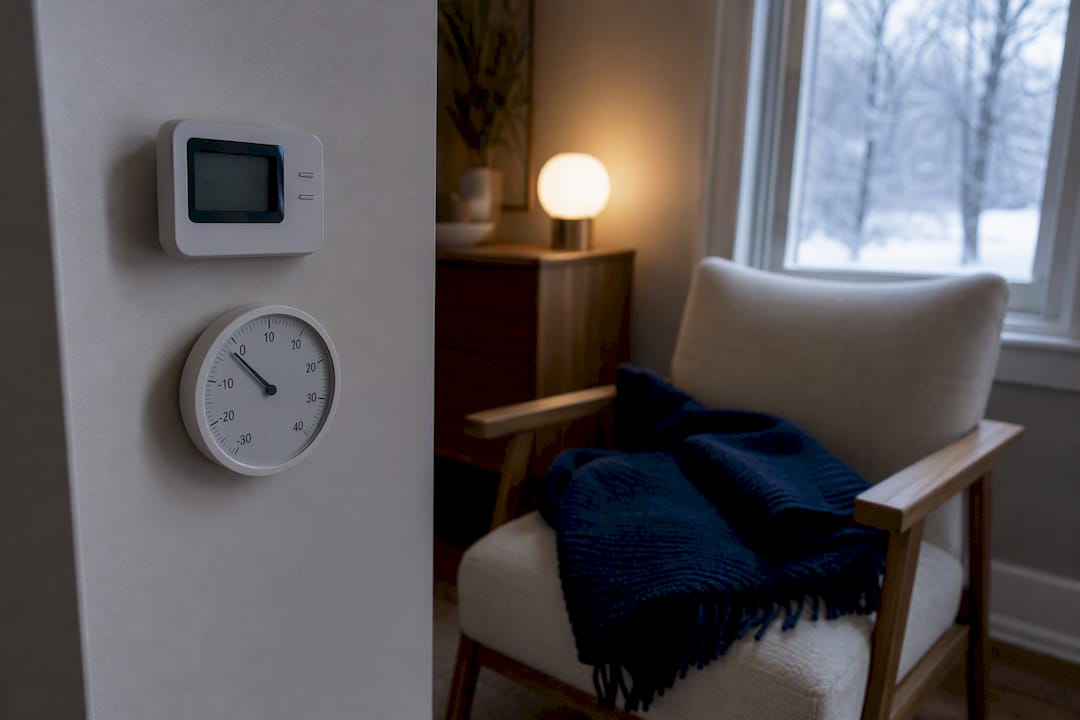
Residential scenario: A tenant’s furnace fails in January. Temperatures inside drop into the 50s for four days before the landlord dispatches a repair crew. The tenant documents the temperature with photos and a thermostat log, sends written notice the day the heat fails, and later negotiates a partial rent credit for that billing cycle, calculated against the days without heat. That’s a straightforward habitability claim, and most residential landlords settle it without a fight once the documentation is solid.
Commercial scenario: A multi-tenant medical office building loses HVAC service across two floors during a heat wave. Unlike a residential unit, a medical practice can’t simply tolerate a warm waiting room. Patients get rescheduled, staff can’t work safely, and the practice may have separate business-interruption exposure layered on top of the lease dispute. Here, the abatement claim often runs alongside a broader conversation about who was contractually responsible for HVAC maintenance in the first place.
That responsibility question hinges heavily on lease structure. In a triple net lease, tenants often cover their own operating expenses and some maintenance obligations, which can shrink or eliminate an abatement claim depending on how the NNN allocation is written. Tenant improvement (TI) clauses matter too. If a landlord’s delayed buildout pushed a medical tenant’s opening date back, that’s a different claim than an abatement request. Reading the lease’s exact allocation of repair duties before assuming abatement applies saves everyone a wasted negotiation.
What Legal Remedies Are Available for Rent Abatement?
Tenants generally have four paths once a habitability or service failure is confirmed, and picking the wrong one can backfire fast.
- Rent withholding. Some states allow tenants to withhold rent, often into an escrow account, once notice and a cure period have passed without repair. This is one of the riskiest remedies to execute without local rules in hand, since withholding incorrectly can expose a tenant to an eviction filing for nonpayment.
- Repair-and-deduct. The tenant pays for the repair directly and deducts the cost from rent. Most jurisdictions cap how much can be deducted and require the landlord had notice and failed to act first.
- Constructive eviction. If conditions are severe enough that the space is effectively unlivable or unusable, the tenant may be able to terminate the lease entirely and vacate, arguing the landlord’s failure amounted to eviction in practice.
- Administrative petition or small-claims filing. Many cities run rent-board or housing-services petition processes specifically for this. SF.gov’s petition process is a useful model: tenants file a decreased-services petition, the case typically routes to mediation before any hearing, and awards are frequently limited in how far back they reach.
That retroactivity limit is worth sitting with. Municipal rent boards commonly cap retroactive rent reductions at one year before a petition is filed, unless the tenant can show extraordinary circumstances justified the delay, according to SF.gov’s guidance on temporary rent reductions. Wait two years to file, and you may lose the ability to recover the earlier period entirely, even with a rock-solid claim.
Every one of these remedies carries risk if the process isn’t followed exactly. Withholding rent without proper notice is one of the fastest ways to hand a landlord grounds for eviction. Anti-retaliation statutes exist in most states specifically because landlords have historically responded to habitability complaints with lease non-renewals or sudden fee increases, so document everything and know your local retaliation protections before you act.
How Do You Request Rent Abatement the Right Way?
A verbal complaint rarely moves a landlord. A written, specific, deadline-driven notice does.
Your written notice or petition should include the exact date the problem began, a specific description of the condition (not “the heat is bad” but “no heat recorded in unit for four consecutive days, thermostat readings attached”), the remedy you’re requesting, and a clear deadline for the landlord to respond or repair.
Build your evidence file before you send anything:
- Time-stamped photos or video of the condition.
- Certified mail receipts or email delivery confirmations for every notice sent.
- Any inspection reports from the city, a code enforcement officer, or a licensed contractor.
- Written repair estimates, which help substantiate both the severity of the problem and the dollar value of your claim.
Negotiation often resolves these faster than litigation. Landlords sometimes prefer offering a rent credit, a short lease extension, or accepting prepaid rent in exchange for closing out a dispute rather than facing a petition or lawsuit, and negotiation research confirms that market leverage and tenant reliability both factor into how flexible a landlord will be. Whatever you agree to, get it in writing as a signed lease amendment. A verbal promise about “next month’s rent” is worth nothing if the landlord’s circumstances change.
Pro Tip: If you’re a commercial tenant, request a copy of your full lease abstract before drafting any abatement notice. Buried casualty or force majeure clauses often define your rights more precisely than the main lease body, and missing one can weaken an otherwise strong claim. A professional lease abstract review can catch exactly this kind of detail.
How Long Does a Rent Abatement Claim Take, and What Does It Cost?
Timelines vary widely depending on whether you’re negotiating directly, filing with a municipal board, or heading to small-claims court. Simple habitability disputes resolved through direct negotiation can close in a matter of weeks. Formal petitions take longer.
- Repairs themselves typically need to happen within a “reasonable” window, often 14 to 30 days depending on severity and local code.
- Municipal petitions frequently route to mediation before any formal hearing, a step SF.gov’s process builds in specifically to resolve disputes without a full hearing.
- Small-claims filing fees are generally modest, but inspection reports and contractor estimates can add real cost if your case needs expert backup.
- Retroactive awards are commonly limited to about a one-year period before the petition date unless extraordinary circumstances justify additional retroactivity, so filing sooner rather than later helps preserve the eligible period of your claim.
Realistic outcomes tend to land in one of three buckets: a rent credit applied to future bills, a lump-sum damages award covering the affected period, or a negotiated lease amendment that adjusts terms going forward. Outright dismissal happens most often when notice or documentation requirements weren’t met, which is the single most preventable failure point in the entire process.
ArdorCRE’s Perspective on Abatement in Medical and Office Leases
Medical-office tenants carry stakes residential tenants simply don’t. A blocked HVAC system doesn’t just cause discomfort, it can shut down patient scheduling and expose a practice to business-interruption losses that outstrip the rent itself. ArdorCRE advises medical and office tenants to negotiate specific abatement language and clear repair-responsibility allocation before signing, not after a system fails. That means defining what counts as a service failure, setting a firm repair deadline, and stating exactly how rent adjusts if the landlord misses it.
Given how much TI buildout timelines and patient-access risk shape a medical lease, we recommend reviewing your lease abstract with a broker who understands healthcare tenancy before you’re negotiating from a position of damage control. Ardorcre’s tenant and landlord representation covers exactly this kind of lease-term negotiation for Charlotte MSA office and medical-office properties, and we’re glad to walk through a medical office lease timeline with any practice weighing a move or renewal.
Where to Check Local Rent Abatement Rules
Rent abatement law varies enough by city and state that a general guide only gets you so far. Before filing anything, confirm your local rules against a primary source.
- Sf for how hardship reductions differ from permanent adjustments.
- Sf for a working model of municipal filing steps, mediation, and retroactivity limits.
- UNC School of Government’s explainer for the legal formula courts apply to calculate damages.
- LegalClarity’s rent abatement guide for a broader overview of remedies, conditions, and rights across jurisdictions.
Your city or state’s own housing authority or landlord-tenant statute should always be the final word, since local rent boards frequently set their own forms, deadlines, and evidentiary standards.
An Editorial Take on Rent Abatement
Most guides treat rent abatement as a purely residential issue, then bolt on a paragraph about commercial leases as an afterthought. That gets the priority backward for a huge share of readers who actually need this information. Commercial and medical-office tenants carry more financial exposure per day of service loss than most residential tenants ever will, yet they’re the ones least likely to have abatement language spelled out clearly in their lease.
The conventional advice, “document everything and send written notice”, is correct but incomplete. It skips the harder truth: abatement rights for commercial tenants are only as strong as the lease clause negotiated months or years earlier. You can’t retroactively insert a casualty or loss-of-services clause into a signed lease. If there’s one thing this research supports clearly, it’s that the highest-leverage moment for abatement protection is lease negotiation, not the day the HVAC fails. Residential tenants get statutory backup. Commercial tenants get whatever they had the foresight to negotiate.
— Jim
Sources
- Sf
- Sf
- What Happens When the Tenant Raises the Issue of Rent Abatement? — UNC School of Government
- Rent abatement explained: conditions, amounts, and rights — LegalClarity